If you distribute branded merchandise in the EU or the US, someone in your organisation is legally responsible for what is in the box. Compliance is not paperwork for its own sake — it is the difference between a shipment that clears and one that sits in a bonded warehouse. This is a plain-language guide to the five standards that come up most often.
1. EN71 — the EU toy safety standard
EN71 applies to products intended for children up to 14 years old. It covers mechanical and physical properties, flammability, and the migration of certain heavy metals from coatings and materials.
The trap: “intended for children” is judged by how the item presents, not only by what you call it. A plush mascot, a colouring set, a branded toy or anything with obvious child appeal can fall in scope — even when it is ordered as a corporate giveaway. If your campaign reaches families, say so at enquiry stage.
2. FDA and LFGB — food contact
Anything that touches food or drink needs food-contact clearance. In the US that is the FDA framework; in Germany and much of Europe, buyers ask for LFGB, which is generally the stricter of the two.
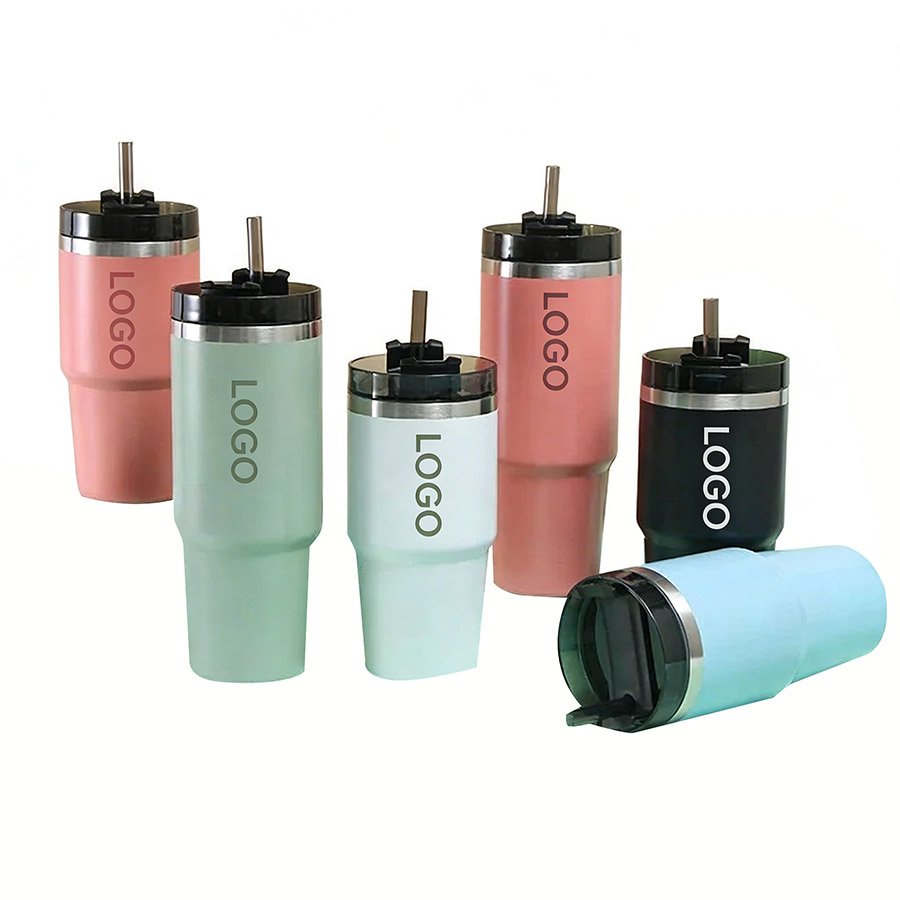
This covers the products we sell most: stainless steel bottles and tumblers, mugs, lunch boxes and any reusable food container. Practically, it means the material in contact with the contents — typically 304 or 316 stainless — and any gasket, lid or coating must be tested for migration.
3. REACH — chemicals in the EU
REACH restricts substances of very high concern in articles sold in the European Union. In practice it hits textiles, coatings, inks, plastics and PVC — so it touches apparel, bags, printed surfaces and most plastic promotional items.
What buyers usually request is a REACH statement covering SVHC content, sometimes backed by test reports on the specific materials used.
4. California Proposition 65
Prop 65 requires a warning before exposing California consumers to listed chemicals above a safe-harbour level. It applies to a very long list of substances and is enforced largely through private litigation, which is why US buyers treat it seriously even for giveaways.
It most often affects metal components, coatings, inks and plasticised materials. If your distribution includes California, flag it early — it can change material or ink choices.
5. RoHS and battery rules — for anything electronic
RoHS restricts hazardous substances in electrical and electronic equipment. If your gift is a power bank, wireless charger, Bluetooth speaker or USB drive, RoHS applies — and so do battery transport regulations, which affect how the goods can be shipped and what documentation travels with them.
Lithium cells shipped by air are a regulated commodity. This genuinely affects your freight options and lead time, so mention it when you enquire.
6. What should I ask a supplier for?
Ask for documents, not adjectives. Specifically:
- A test report from an accredited third-party laboratory, issued for the specific product or the specific material — not a generic certificate for a different item.
- A Declaration of Conformity (DoC) naming the standard and signed by the manufacturer.
- Material specification — for drinkware, the exact stainless grade; for textiles, the fibre composition.
- The report date. Test reports age. A current one matters more than an old one.
7. How is this handled on a custom order?
Compliance has to be built into the specification, not added at the end, because the choices that determine it — which ink on which coating, which stainless grade, which lining — are the same choices that set your price and lead time.
So tell us at enquiry stage: where the products will be distributed, who will receive them, and which standards your procurement team requires. We will confirm what the relevant products can be supplied and tested to, and include the required documentation in the quote. If your organisation needs testing to a specific standard that a given item does not already carry, we will tell you that up front rather than discover it at customs.
Note that test reports are issued per product and per material, and arranging them adds time to the schedule. Build it into your planning from the start — see MOQ, Samples and Lead Times.
Distributing in the EU or US and unsure which standard applies to your list? Send the product list and destination markets and we will tell you what to ask for. Get in touch.